
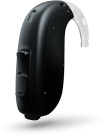
Questions are part of good hearing care.
Hearing healthcare can involve new terminology, technology choices and practical decisions. These answers are designed to help you understand the basics before your appointment, while leaving room for recommendations that are specific to your hearing, lifestyle and goals.
Hearing aids are not one product with one price.
Hearing healthcare can involve new terminology, technology choices and practical decisions. These answers are designed to help you understand the basics before your appointment, while leaving room for recommendations that are specific to your hearing, lifestyle and goals.
Why do some hearing aids cost more than others?
Hearing-aid pricing generally reflects the level of technology and performance built into the device. More advanced models may offer stronger noise-management features, more automatic adjustments and added connectivity. Our role is to help you choose technology that fits your listening needs, lifestyle and budget rather than simply choosing the highest technology level.
Which type of hearing aid works best?
There is no single hearing-aid style that is best for everyone. The right choice depends on your hearing levels, the places where you need the most help, desired features, comfort, appearance, dexterity and budget. We review those factors together so the recommendation is individualized.
Does insurance cover the cost of hearing aids?
We work with most insurance companies. Please bring a copy of your insurance information to your appointment so our team can verify any coverage or benefits you may have.
How do I care for my hearing aids?
Consistent care helps protect performance and extend the life of your devices.
- Clean your hearing aids as instructed and keep wax from building up.
- Avoid applying hairspray or other hair products while the devices are in your ears.
- Turn them off when they are not being used when appropriate for your model.
- Keep them away from excess moisture and heat.
- Replace disposable batteries promptly when they are depleted.
- Store devices and batteries safely away from pets and small children.
- Schedule periodic hearing-aid checks and professional cleanings.
- Contact our team whenever you have questions, fit concerns or performance issues. We provide hearing-aid cleanings, supplies, accessories and many on-site repair services.
What is a digital hearing aid?
Digital hearing aids process incoming sound electronically and can be programmed according to your hearing levels. They can make softer sounds easier to hear, manage louder inputs for comfort and shape amplification differently across pitches. Digital processing also gives your provider more flexibility to fine-tune the devices for different listening environments.
Do I need follow-up care after getting hearing aids?
Yes. Follow-up care is an important part of a successful fitting. Your brain and ears need time to adapt to hearing more sound again, and adjustments may be helpful as you experience the devices in daily life. Ongoing visits also allow us to address fit, comfort, cleaning and changes in your hearing over time. If you notice a change in hearing, comfort or device performance, contact us so we can evaluate what is happening.
Do I need hearing aids in both ears, or can I use one?
When both ears have aidable hearing loss, two hearing aids often provide a more balanced listening experience and can support speech understanding in noise and sound localization. Your recommendation should always be based on the results of your hearing evaluation and your individual needs.
I struggle with hearing in groups. Can hearing aids help?
Hearing aids can make more speech information available to the brain and modern devices include features designed to help manage competing sound. Results vary by hearing loss and listening environment, so we use your evaluation and real-world goals to determine which features may be most useful.
A doctor told me hearing aids would not help. Should I seek another opinion?
If you are unsure about a previous recommendation, a comprehensive hearing evaluation and a second opinion from a hearing-care professional can be helpful. Hearing technology and treatment options continue to evolve, and a current evaluation can clarify what may or may not be appropriate for you.
Are hearing aids difficult to wear or get used to?
Today’s hearing aids are available in a wide range of sizes, shapes and fitting styles, including very discreet options. Comfort and adjustment time are personal, so we focus on fit, programming and follow-up to help you become comfortable with your devices and the sounds you are hearing.
If my hearing changes, will I have to replace my hearing aids?
Modern digital hearing aids can often be reprogrammed as hearing needs change. Replacement is more commonly considered when devices no longer meet your needs, are no longer serviceable, or when you choose to move to newer technology. Many people consider upgrading after several years, but timing is individual.
Understanding what may be affecting your hearing.
Different parts of the hearing system can contribute to hearing difficulty. A complete evaluation helps determine the type and degree of hearing loss and the next appropriate step.
Are there different types of hearing loss?
Yes. Hearing loss may involve the outer or middle ear, the inner ear, the auditory nerve, or more central parts of the auditory system. Common clinical categories include conductive, sensorineural and mixed hearing loss. Treatment options depend on what the evaluation shows.
What is sensorineural hearing loss?
Sensorineural hearing loss involves the inner ear or auditory nerve. It can affect both the loudness and clarity of sound, especially speech. Depending on the evaluation, hearing aids or other hearing technology may be recommended to improve access to sound and speech information.
What is sensory hearing loss?
Sensory hearing loss refers to damage within the sensory structures of the inner ear. In many cases, hearing aids are used to provide appropriate amplification based on the person’s hearing levels and listening needs.
What is conductive hearing loss?
Conductive hearing loss occurs when sound is reduced or blocked as it travels through the outer or middle ear. Causes vary, so treatment may involve medical care, monitoring or hearing technology. When medical evaluation is appropriate, we can make the necessary referral.
Is hearing loss simply part of getting older?
Hearing changes are common with age, but age is only one possible factor. Noise exposure, infections, head injury, genetics, some medications and medical treatments, and certain health conditions can also affect hearing. A hearing evaluation helps identify the pattern of hearing loss and whether additional medical follow-up is appropriate.
I can hear people speaking, but I do not always understand the words. Why?
Hearing loss is often different across pitches. You may hear that someone is talking while missing parts of the speech signal that carry clarity. The brain can fill in some missing information, but when too much of the signal is reduced, understanding becomes more difficult. Properly fitted hearing aids can be programmed to support the specific frequency regions where you need more access to speech.
Knowing when it is time to check your hearing
A hearing evaluation gives you objective information about how well you hear across pitches and how clearly you understand speech.
How can I tell if I need a hearing test?
Consider scheduling a hearing evaluation if you are having more difficulty hearing certain voices, asking people to repeat themselves, feeling that others sound unclear, or turning the television up higher than people around you prefer. Because hearing changes can develop gradually, testing can help establish a clear baseline and show whether treatment, monitoring or a medical referral is appropriate. If you have insurance, bring your information with you and our team can verify any hearing-related coverage or benefits you may have.
Still have a question? Bring it with you.
Your hearing, communication needs and daily listening environments are personal. We take time to explain your results, answer questions clearly and recommend next steps that make sense for you.
Clear explanations
We explain test results and technology in plain language.
Individualized recommendations
Your plan is based on your hearing and your everyday goals.
Ongoing support
Follow-up, adjustments and hearing-aid care remain part of the relationship.
Have a question about your hearing?
Summerlin
1401 Hillshire Dr Suite 130, Las Vegas, NV 89134
Henderson
2821 W Horizon Ridge Pkwy Ste. 221, Henderson, NV 89052