
What Is Tinnitus
A background sound other people cannot hear.
Tinnitus is identified as a continuous background sound which the sufferer may hear as buzzing, ringing, roaring, hissing, or clicking sounds. These sounds can vary in pitch, and tinnitus can be unilateral (single ear) or bilateral (both ears). It may be continuous or it may come and go.
Because tinnitus can feel isolating and there is no external way to distinguish subjective tinnitus from objective tinnitus without an exam, professional evaluation matters.
If you believe you might be experiencing tinnitus, a tinnitus specialist can help identify what may be contributing to your symptoms and which management approach may fit you best.
There are three types of tinnitus
Not every tinnitus experience is the same.
Temporary tinnitus
Many people deal with temporary tinnitus which usually does not last longer than 5 minutes.
Subjective tinnitus
The most common type, heard only by the person experiencing it, ranging from mild to severe.
Objective tinnitus
There is a rare kind of tinnitus which can be heard by a hearing specialist during an ear exam. It can indicate that there is a serious problem with the bones in your ear or other problems.
How Tinnitus Sounds
People describe tinnitus in many different ways
It can be difficult for people without tinnitus to understand what it is like to live with a sound that no one else can hear. These examples can help you describe a sound no one else can hear. They are illustrations, not a diagnosis. Choose the clip closest to what you experience and tell us about it at your visit.
Play the clips below and note which one is closest to your tinnitus.
Turn the volume down before you press play. Use your device speaker, not headphones or earbuds.
Some triggers can be reduced. Others need evaluation.
The page highlights a variety of reasons a person may suffer from tinnitus. Understanding common causes can sometimes help prevent flare-ups, but some contributing factors are unavoidable.

Who may notice tinnitus
Tinnitus touches many groups—not just one type of patient.
The page notes that more than 50 million Americans have dealt with tinnitus symptoms to some extent, and some demographics may be more at-risk than others.
Awareness of those patterns can help patients take hearing protection and symptom management more seriously.
Seniors
Tinnitus is often connected with hearing loss, and many older adults report some degree of hearing loss.
Musicians
Regular exposure to high sound levels can damage hearing over time and increase tinnitus risk.
Earbud users
High-volume listening directly into the ear can contribute to hearing damage and tinnitus.
Construction workers
Tools and work environments at 90 decibels and above make hearing protection vital.
Smokers
Nicotine can interfere with the auditory nerve’s ability to receive transmissions from neurotransmitters.
There may not be a cure, but there are real management options.
Once tinnitus is permanent, there is no known cure at this time.If tinnitus has become permanent, there is no known cure. That does not mean nothing can be done. We look at your hearing, your symptoms, and your daily life, then build a plan that may include one or more of the options below.
Sound therapy
Sound therapy adds external sound so tinnitus is not the only thing you hear. We help you find an
option that fits your hearing and your routine. Depending on your evaluation, that may include the
Levo System, Neuromonics, a Tranquil sound generator, or another sound-therapy approach.
- The Levo System
- Neuromonics
- Tranquil Tinnitus Sound Generator
Hearing aids
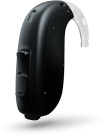
Tinnitus and hearing loss are linked disorders, and for many patients improved hearing can help reduce tinnitus symptoms.
- Widex Zen Therapy
- Oticon SoundSupport
- ReSound Relief
Counseling
Tinnitus can take a mental toll. Counseling and tinnitus management support can help people cope with the emotional side of living with these sounds.
Tinnitus Relief Studio
When patients need a quiet place to rest and escape their tinnitus, the clinic also offers its one-of-a-kind Tinnitus Relief Studio.
You do not have to manage tinnitus alone.
You do not have to manage tinnitus alone. A plan can combine sound therapy, hearing technology, counseling, and follow-up. We will tell you which next step fits your symptoms
- Management strategies can be combined instead of limited to a single option.
- Many tinnitus patients also benefit from hearing support when hearing loss is part of the picture.
- A consultation with a tinnitus expert helps clarify which next step makes sense for your symptoms.
When ordinary sounds feel painfully loud.
Hyperacusis is the condition in which ordinary sounds seem unpleasantly loud or painful. It is often associated with tinnitus, but it can also be experienced on its own.
In both cases, the cause may be an excessive responsiveness of the central auditory system. Hyperacusis can affect both children and adults and can disrupt day-to-day functioning.
Exposure to loud noises such as rock concerts, gunfire, loud work environments, fireworks, and airbag deployment in cars can all be causes of hyperacusis.
If you or someone you love is experiencing tinnitus or hyperacusis, contact Hearing Associates of Las Vegas. We can help you sort out the next step.

Ready to start managing your tinnitus symptoms?
Summerlin
1401 Hillshire Dr Suite 130, Las Vegas, NV 89134
Henderson
2821 W Horizon Ridge Pkwy Ste. 221, Henderson, NV 89052