

Tinnitus sound therapy uses a process known as habituation to retrain the way the brain interprets tinnitus. Essentially, the brain learns to reclassify the unwanted sound as something neutral or unimportant.
Sound therapy helps a person “forget” about the sound. That might sound tricky, but your brain already does it all the time.
After a time, the tinnitus becomes associated with this sound. It becomes constant and something you no longer pay attention to.
Tinnitus retraining therapy is a treatment option that attempts to retrain the way your brain, central nervous system, and the auditory system receives, processes, and interprets sound.
TRT attempts to comprehensively address why you hear certain sounds and attempts to recalibrate your internal systems to prevent the creation of similar sounds in the future.
Tinnitus retraining therapy uses sound therapy and directive counseling over a longer program, often discussed as 12 to 24 months. It looks at hearing, the emotional response, and the body’s alarm response. Results vary. We will not promise a specific percentage of improvement.
Sound Generators are auditory devices with white noise to block out tinnitus ringing sounds. There are two types of sound generators: tabletop and wearable.
Tabletop sound generators are commonly put by the bedside to ease ringing sounds experienced while sleeping. They usually emit natural sounds like rainfall, wind, birds, or a heartbeat to distract users from the constant ringing
They can also produce white noise – a very low-level constant rushing sound similar to radio static.
Most of these sound generators are battery-powered and fully portable or plugged into an electric socket, meaning users don’t have to worry about them running out of charge.
The volume can be adjusted easily, and a timer set to turn off the low-level sound once the user has fallen asleep. The device can also be left on all night to distract users from tinnitus ringing first thing in the morning.
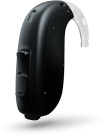
Wearable sound generators are even smaller than their table-top counterparts and can either be placed in the ear canal or behind the ear – much like a hearing aid. They’re battery-powered and generate white noise to block out tinnitus ringing sounds.
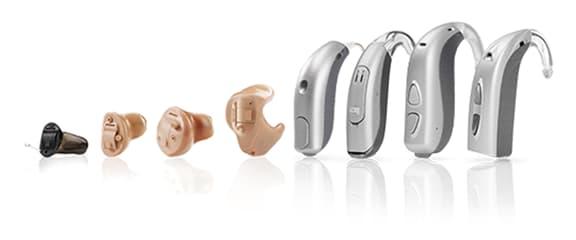
Daily wear hearing aids are inserted and removed every day. They come in two styles: behind the ear and in the ear. Both types are available from a multitude of manufacturers.
Daily wear hearing aids require battery changing every 3-10 days or recharging each night and occasional cleaning and maintenance. Daily wear hearing aids are the most common and readily available type of hearing aid device.
An extended wear hearing aid is a device inserted into your ear canal by a specially trained Hearing Clinician, remaining in position 24/7 for up to three months at a time.
Once in the ear, an extended wear hearing aid doesn’t require battery changing or cleaning. Extended wear hearing aids can only be fit by a hearing professional with specialized training. A significant advantage of extended wear hearing aids is protection against tinnitus at night – the time of day most people are troubled by the affliction.
Here at Hearing Associates of Las Vegas, we develop a tinnitus management program specifically for you. Part of this program includes a tinnitus counseling and education program. Our programs covers:
- What tinnitus is and how it affects people.
- People affected by tinnitus.
- How to manage your tinnitus and control symptoms.
- Learn what is typical with tinnitus and what signs are not.
- Brain retraining techniques
Presently there are no FDA-approved drugs specifically for tinnitus and no medications reversing the neural hyperactivity at the root of tinnitus. Drugs cannot cure tinnitus, but they may provide relief from some severe tinnitus symptoms.
The medications most often used in tinnitus management are psychoactive drugs that treat the behavioral issues related to tinnitus. These drugs can help relieve the stress, anxiety, and depression related to tinnitus, minimizing the psychological burden of the condition.
An array of drugs have been anecdotally used off-label for tinnitus relief. Some of these include antihistamines, anticonvulsants, anesthetics, and even anti-alcohol drugs.
Several relaxation techniques are helping people with tinnitus deal with their symptoms. The effectiveness and reliability of these techniques vary from person to person.
We’ve consolidated what we believe to be the best techniques available to help you. Stop by our Las Vegas Summerlin or Henderson, NV location today to receive a consultation about how we can help you on your journey to healthy hearing.